
7 Sustainable Cafe Designs From Around The World
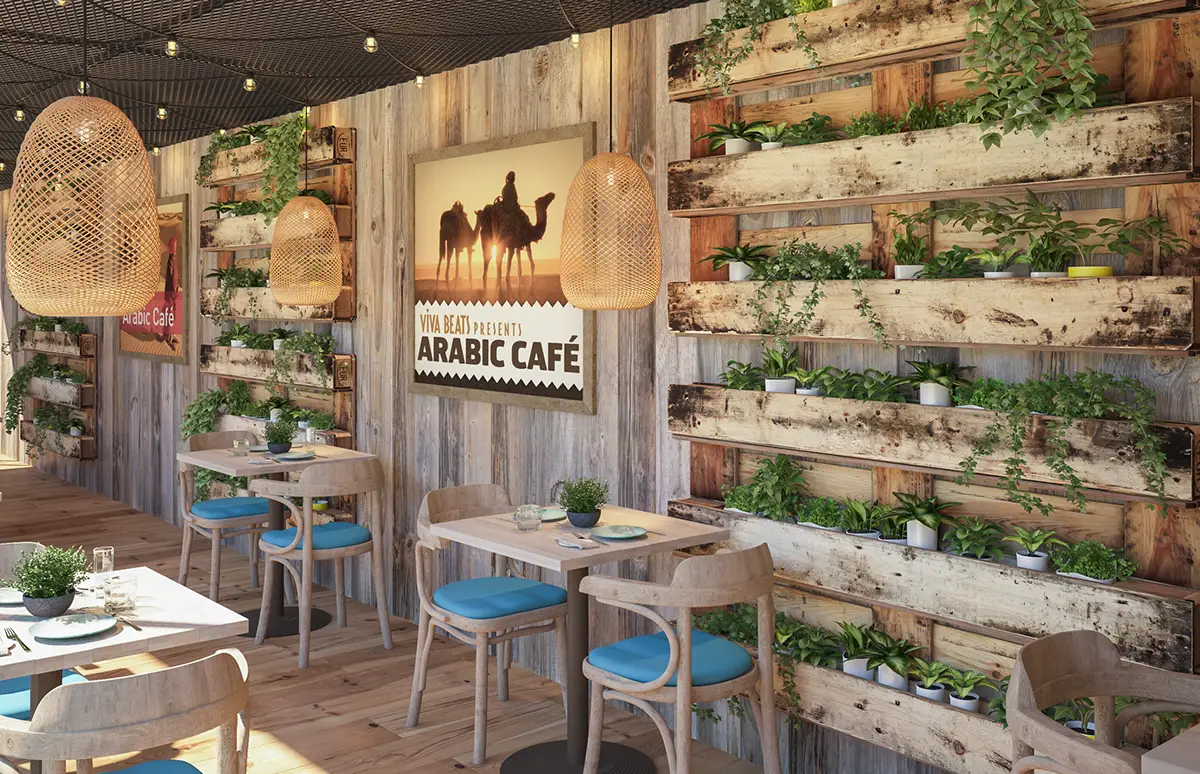
What do sustainable cafe designs actually look like? What materials do they use? These 7 examples are inspiring for our homes, and may also make you want to open up a small cafe yourself!
By Chere Di Boscio
Having coffee stations in the home that look like a tiny cafe is now a huge trend. And many of us try to make that station as sustainable as can be.
But when you go out for a cup of java, have you considered what an actual sustainable café might look like?
It could be built from locally sourced timber, constructed from reclaimed materials, designed to make the most of natural ventilation, or powered partly by renewable energy.
The most inspiring sustainable café designs show that environmentally conscious architecture doesn’t have to sacrifice beauty. From bamboo structures in Vietnam to a shipping-container café in Amsterdam, these spaces combine thoughtful materials, climate-responsive design and distinctive interiors.
We’ve rounded up seven sustainable café designs from around the world, highlighting the architectural ideas and eco-friendly details that make each project worth a closer look. And because great café design can inspire residential interiors, we’ve also included ideas you can borrow for your own home.
What Makes a Café Design Sustainable?
Sustainable café design goes far beyond adding a few plants or using reclaimed wood for a countertop. A truly considered approach looks at the building and its surroundings as a whole.
1. Sustainable materials
Reclaimed, recycled, locally sourced and renewable materials can all play a role in sustainable design. However, the environmental impact of any material also depends on how it is sourced, manufactured, transported, maintained and eventually disposed of.
2. Energy efficiency
Natural daylight, passive ventilation, solar power, energy-efficient lighting and efficient appliances can help reduce the amount of energy a café requires.
3. Climate-responsive architecture
Good sustainable design works with the local climate rather than constantly fighting against it. Shading, building orientation, natural airflow, thermal mass and outdoor circulation can all help create comfortable spaces with less reliance on mechanical heating and cooling.
4. Adaptive reuse
Reusing an existing building or structure can avoid some of the environmental impacts associated with constructing an entirely new building. It can also give an existing space a new lease of life.
5. Waste reduction
A sustainable café can consider waste at every stage, from construction materials and furniture to food waste, takeaway packaging and day-to-day operations.
6. Social sustainability
Sustainability isn’t purely environmental. Accessible design, inclusive spaces, local employment, responsible sourcing and community involvement can all contribute to a more sustainable café.
To find the most beautiful sustainable cafe designs from around the world, we consulted the experts at Bestcafedesigns.com. This is a startup design publication and global cafe directory. It not only suits a design oriented audience, but it’s also a helpful site for those with serious wanderlust.
Here below are their picks of the best sustainable cafe designs from around the world.
7 Sustainable Café Designs Around The World
1. Urata Lookout Café, Fiji

Designed by: Caukin Studio
Photography: Katie Edwards
Sustainable cafe design features: Locally sourced materials, passive ventilation, shading and climate-responsive architecture
Located in Fiji, Urata Lookout Café was built using locally sourced materials. Its timber-framed structure was also designed with the region’s challenging weather conditions in mind.
One of the most interesting aspects of the project is the way its form encourages natural airflow. Hot air can rise through the building via the stack effect, helping to create a cooler internal environment without relying entirely on mechanical cooling.
Large sheltered walkways and a veranda provide shade while giving visitors a place to enjoy the surrounding landscape. The exposed wooden structure also creates a layered façade and frames the entrance.
Why we love it: It blends so beautifully into its surroundings.
The sustainable cafe design lesson
Work with the climate rather than against it.
Passive cooling strategies such as natural ventilation, shading and careful building orientation can reduce the need for air conditioning. They’re worth considering whether you’re designing a café or a home.


2. Oma Ietje, Netherlands
Location: Amsterdam, Netherlands
Designed by: OPEN architects and Mulders vandenBerk Architecten
Sustainable design features: Reused structures, shipping containers and reclaimed wood
Photography: Wim Hanenberg
In the heart of Amsterdam’s Heesterveld neighbourhood, a once-neglected complex has undergone a remarkable transformation, creating a lively mix of residential and commercial spaces.
One of the additions to the revitalised complex is Oma Ietje Café. Rather than being treated as a conventional standalone building, the café was constructed using standard shipping containers positioned next to the existing main building.
The containers create an inviting social space, with people able to sit in, between and around the structures. Reclaimed wood adds warmth to the contemporary architecture and helps soften the industrial character of the containers.
Why we love it: The reclaimed wood gives the space an unexpectedly warm and welcoming character.
The sustainable cafe design lesson
Look at what already exists before building something new.
Adaptive reuse and creative reuse of existing structures can be powerful tools in sustainable architecture. Even when a particular material—such as a shipping container—isn’t automatically the most sustainable choice in every situation, reusing an existing structure can create interesting alternatives to conventional construction.


3. Nossa Familia Seven Corners Café, USA
Location: Portland, Oregon, USA
Sustainable design features: Sustainable materials, accessibility, energy-conscious design and zero-waste ambitions
Photography: totallypdx.com
Nossa Familia Coffee’s Seven Corners Café opened in 2018 in Portland’s historic Ladd’s Addition neighbourhood.
The café occupies the ground floor of the Seven Corners Collaborative, a nonprofit hub that brings disability services and coffee together under one roof.
Its wood-and-ceramic interior incorporates sustainability and accessibility principles, with a design inspired by the coffee farms of Nossa Familia’s founder in Brazil. Blue, white and terracotta tiles reference the natural materials and colours associated with Brazilian farmhouses.
The café has also established goals around becoming Zero Waste and Carbon Neutral.
Why we love it: It demonstrates that sustainable design and accessible design can work beautifully together.
The sustainable cafe design lesson
Sustainability should include people as well as the planet.
An environmentally conscious café should also be welcoming and usable by people with different physical abilities. Accessibility can be incorporated into everything from circulation and entrances to seating, counters and bathrooms.

4. Replay Espresso, Australia
Location: Turramurra, Australia
Designed by: Mima Design
Photography: Andrew Chung
Sustainable design features: Recycled materials, plywood, LED lighting and compact-space design
Replay Espresso in Turramurra demonstrates that you don’t need a huge building to create an appealing and thoughtful café.
Designer Micheline Li Yoo Foo of Mima Design faced a particularly demanding brief: just 40 square metres.
The existing space was stripped back, the decaying roof was replaced, and a long bi-fold window and small serve-out window were introduced. The design also includes a feature barista coffee bench and as many seats and tables as the compact footprint could accommodate.
Because the budget was tight, the material palette remained deliberately simple: non-slip grey floor tiles, ecological strand board, plywood joinery, basic blackboards, recycled bricks, recessed LED lighting and caged pendant lights.
The result is a cosy, practical space that doesn’t rely on expensive finishes to make an impression.
Why we love it: The clever use of plywood proves that sustainable design doesn’t have to look rustic.
The sustainable cafe design lesson
Small spaces can be sustainable spaces.
A compact footprint can encourage more efficient use of materials, energy and space. Multifunctional furniture, built-in storage, carefully considered circulation and plenty of natural light can all help a small café—or home—feel bigger and work harder.


5. Ho Yamal!, Dubai
Location: Dubai, UAE
Designed by: Comelite Architecture Structure and Interior Design
Sustainable design features: Solar energy, climate-responsive design and locally inspired materials
Container construction has become increasingly popular in café and hospitality design, and Dubai’s Ho Yamal! provides an eye-catching example.
Designed by Comelite Architecture Structure and Interior Design, the café combines elements inspired by Emirati culture with contemporary green design.
Solar panels form part of the café’s energy strategy, while the design responds to Dubai’s challenging climate. A turquoise colour palette references the coastal character of the region, while a sculptural parametric wooden structure gives the interior an organic quality.
Why we love it: The cosy wooden interior creates a surprising contrast with the industrial container structure.
The sustainable cafe design lesson
Sustainable design can be rooted in local identity.
A successful café doesn’t have to look like a generic “eco” building. Materials, colours, forms and architectural details can reflect the culture and climate of their location while still incorporating modern sustainable technologies.


6. Flamingo Bamboo Bar, Vietnam
Location: Vĩnh Phúc province, Vietnam
Designed by: Bambubuild
Sustainable design features: Bamboo construction, lightweight structure and connection with the natural landscape
What do bamboo and birds have in common? They’re both beautiful, natural and central to the inspiration behind the Flamingo Bamboo Bar in Vietnam.
Bamboo is the star of this unusual structure. The café/bar was designed by Bambubuild as an airy, open space that provides an unhindered view of the surrounding landscape.
The structure is made primarily from bamboo, with only small amounts of curved steel used to create the bends. The structure was initially transported between locations before eventually finding a permanent home at a resort in Vĩnh Phúc province.
Natural wood seating and carefully considered lighting complete the relaxed atmosphere.
Why we love it: The extraordinary, tent-like roof makes the entire structure feel connected to its natural setting.
The sustainable cafe design lesson
Natural materials can become the architecture itself.
Bamboo can provide a renewable alternative to some conventional construction materials, while its distinctive appearance can eliminate the need for excessive decorative finishes. However, as with any material, its sustainability depends on factors including sourcing, processing, transportation and durability.

7. The Little Green Cafe, India
Location: Bangalore, India
Designed by: Made In Earth
Sustainable design features: Natural plaster, reclaimed teak, cane, passive cooling and LED lighting
The Little Green Cafe in Bangalore demonstrates how sustainable materials can create a distinctive interior without relying on conventional decorative finishes.
The walls feature natural plasters made from lime, clay and pigments. Reclaimed teak was used for shelving, furniture and the outdoor ceiling, while cane appears in the shutters and chairs.
The café also incorporates passive cooling strategies and LED lighting as part of its energy-conscious approach.
Together, the natural materials, warm textures and atmospheric lighting create a relaxed space that feels both contemporary and connected to traditional craft.
Why we love it: Those beautiful starry ceiling lights create a magical atmosphere.
The sustainable cafe design lesson
Natural finishes can provide both character and function.
Materials such as lime plaster, reclaimed timber and cane can bring texture and warmth to an interior while reducing the need for layers of synthetic decorative materials.

Sustainable Café Design Ideas to Borrow
You don’t need to copy sustainable cafe designs exactly to benefit from its design ideas. Many of the principles demonstrated by these projects can be adapted to other commercial or residential spaces.
1. Make natural light a feature
Good daylighting can reduce the need for artificial lighting during the day while making a café feel more welcoming. Skylights, large windows and carefully positioned openings can all help.
2. Reuse materials and structures
Before buying something new, consider whether an existing building, piece of furniture or construction material could be repaired, adapted or reused.
3. Choose materials thoughtfully
Reclaimed timber, recycled materials, responsibly sourced wood, bamboo and natural finishes can all have a place in sustainable café design. But always consider the full life cycle of the material rather than assuming that “natural” automatically means sustainable.
4. Use shade strategically
Covered walkways, verandas, awnings, trees and external shading can reduce solar heat gain while creating attractive outdoor areas.
5. Consider renewable energy
Where the site and building make it practical, solar panels can help generate renewable electricity.
6. Design for durability
A material that lasts for decades and can be repaired may ultimately be more sustainable than a supposedly eco-friendly material that needs frequent replacement.
7. Design waste reduction into the space
Waste separation, recycling and composting are easier when they’re considered during the design stage rather than added as an afterthought.
8. Make sustainability visible
Some elements of sustainable cafe designs can become part of a place’s total identity. Exposed timber, reclaimed brick, natural plaster, solar panels and reused furniture can all tell a story about how a space was created.

Sustainable Design Ideas for a Small Café
Small cafés can be particularly interesting from a sustainability perspective because every square metre needs to work hard.
A compact café can incorporate:
-
Built-in seating that doubles as storage
-
Multifunctional tables and furniture
-
Vertical shelving
-
A compact service counter
-
Large operable windows where climate allows
-
Energy-efficient lighting
-
Durable, easy-to-maintain finishes
-
Reclaimed furniture and materials
-
Outdoor seating instead of expanding the building footprint
-
Efficient kitchen and storage layouts
Replay Espresso’s 40-square-metre space is a particularly good reminder that sustainability doesn’t require a sprawling building.
Sometimes, doing more with less is one of the most effective design strategies available.
What Sustainable Café Designs Can Teach Us About Our Homes
There’s a reason cafés often inspire residential interiors. They’re designed to be welcoming, comfortable and practical—and many of their ideas translate surprisingly well to domestic spaces.
A café-style coffee station can become a focal point in the kitchen. Reclaimed timber can add warmth to shelving or cabinetry. Natural plaster can provide texture without relying on conventional decorative finishes. Built-in seating can make a small room more efficient.
Even some of the less obvious lessons are useful.
Passive cooling, natural ventilation, external shading and good daylighting aren’t just commercial design strategies. They’re principles that can make our homes more comfortable while potentially reducing energy consumption.
And perhaps the biggest lesson from these sustainable café designs is that eco-friendly doesn’t have to mean boring.
How to Recognise Truly Sustainable Café Designs
A sustainable-looking interior isn’t necessarily a sustainable one.
Reclaimed wood, bamboo, plants and natural colours can create the appearance of an eco-friendly space, but sustainability involves much more than aesthetics.
When evaluating a café design, consider the bigger picture:
-
Where did the materials come from?
-
How much energy does the building require?
-
Does the design respond to its local climate?
-
Has an existing structure been reused?
-
Are the materials durable and repairable?
-
How is water used?
-
How is food and packaging waste handled?
-
Where do the coffee and food products come from?
-
Is the space accessible?
-
What happens to the materials when they reach the end of their useful life?
The most thoughtful sustainable café designs consider these questions from the beginning rather than adding a few “green” features at the end.
Frequently Asked Questions About Sustainable Café Design
1. What are sustainable cafe designs?
Sustainable café design is an approach to architecture and interiors that aims to reduce environmental impact through thoughtful choices around materials, energy, water, waste, building reuse, durability and sourcing. It can also incorporate social considerations such as accessibility and community use.
2. What materials are used in sustainable café design?
Depending on the project, sustainable cafés may use reclaimed wood, responsibly sourced timber, bamboo, recycled materials, recycled or reused furniture, natural plasters and other lower-impact finishes. The best choice depends on factors including sourcing, transportation, manufacturing, durability and end-of-life disposal.
3. How can a small café be more sustainable?
A small café can make efficient use of its limited footprint, maximise natural light and ventilation, choose durable materials, use efficient equipment and lighting, reduce waste and consider reused or reclaimed furniture and construction materials.
4. What makes an eco-friendly café interior?
An eco-friendly café interior combines thoughtful material choices with efficient use of energy and space. Natural light, passive ventilation, reclaimed materials, durable furniture, low-impact finishes and waste-conscious design can all contribute.
5. Can sustainable café design also be beautiful?
Absolutely. These seven projects demonstrate that sustainability can be part of a café’s visual identity. Natural materials, clever use of light, climate-responsive architecture, reclaimed elements and thoughtful spatial planning can make sustainable design a defining aesthetic feature.
Final Thoughts
The best sustainable café designs aren’t simply beautiful spaces with a few environmentally friendly materials added to them. They consider the building, climate, materials, energy, people and surrounding community as part of one interconnected design.
From the passive cooling strategies of Urata Lookout Café to the bamboo structure of Flamingo Bamboo Bar and the compact design of Replay Espresso, each of these projects demonstrates a different way to think about sustainability.
And that’s what makes them so inspiring.
Whether you’re planning a café of your own or simply looking for ideas for a more sustainable home, there’s plenty here to borrow—from reclaimed materials and natural finishes to clever use of daylight, shade, ventilation and space.
Sometimes the best sustainable cafe designs are the ones that make a place more beautiful precisely because they make it more thoughtful.

- Your October 2026 Horoscope by Claudia Vannini - September 30, 2026
- WIN A Bluecorn Scented Candle Tin Holiday Gift Box - September 18, 2026
- 7 Sustainable Cafe Designs From Around The World - September 16, 2026


