
12 Vegan Food Hacks To Elevate Your Meals
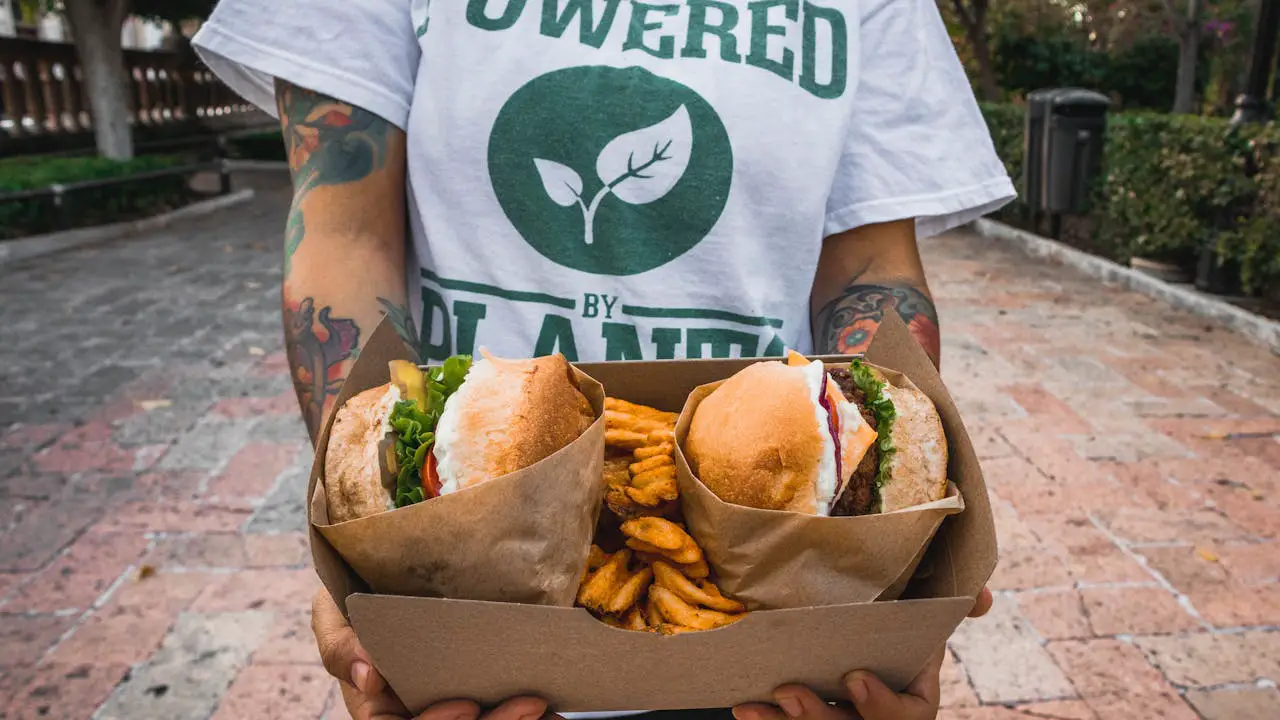
These vegan food hacks are guaranteed to make your meals more exciting!
By Chere Di Boscio
Vegan food has come a long way from being perceived as bland or restrictive. For example, here at Eco Home, we’ve shared all kinds of vegan recipes, from girl dinners and to nostalgic desserts.
With the right techniques and ingredients, basic vegan dishes can be transformed into gourmet delights. Whether you’re a seasoned plant-based eater or just starting your vegan journey, these vegan food hacks will help you take your meals to the next level.
12 Vegan Tips & Tricks For Better Meals

1. Learn All the Burgers!
One of my best vegan food hacks knowing how to make vegan burgers, loads of different ways!
Forget about ‘Beyond burgers’ or any other commercial weirdness. You can easily make vegan burgers from:
- Black beans – or any kinds of beans, really
- Lentils
- Tofu or tempeh
- Chick peas
I mean, just look at those burgers in the pic above! They’re made from black beans. Yes, really! Looking for an array of great recipes? Click here for some vegan burger ideas.
2. Master Seasoning and Spices
Seasoning is key to making vegan food exciting. Experiment with:
- Umami boosters like nutritional yeast, miso paste, tamari, and sun-dried tomatoes.
- Fresh and dried herbs such as basil, rosemary, thyme, and cilantro.
- Spices like smoked paprika, cumin, turmeric, and garam masala for depth and complexity.
- Citrus zest and juice to brighten flavours in baking and salads.
3. Incorporate Different Textures
This is one of those vegan food hacks that adds intrigue to any dish. Try:
- Roasting or air-frying vegetables for a crispier exterior.
- Adding toasted nuts or seeds to soups and salads for crunch.
- Using creamy elements like cashew-based sauces on pasta, or mashed avocado ‘mayo’ in sandwiches.
- Mixing raw and cooked ingredients for contrast.

4. Upgrade Your Protein Sources
Basic tofu and beans are nutritious, but they can be elevated with more interesting preparation methods. For example? These vegan food hacks will make your proteins shine:
- Marinate tofu or tempeh before cooking to infuse flavour.
- Crisp up chickpeas by roasting them with spices.
- Experiment with jackfruit for a meaty, pulled texture.
5. Use Loads of Sauces and Dressings
It’s a fact that a well-made sauce can transform a simple dish.
Try these vegan food hacks for unforgettable flavours:
- A cashew cream sauce blended with garlic, nutritional yeast and lemon will uplift any pasta dish.
- Tahini-based dressings with maple syrup and mustard are perfect for salads.
- A spicy peanut sauce with ginger and lime is great on rice noodles.
- Chimichurri or pesto make tofu anything but bland!

6. Use Fermented and Pickled Foods
Fermented foods add probiotics and depth of flavour to vegan dishes.
Incorporating these foods will take your meals to the next level:
- Kimchi or sauerkraut – add to salads or sandwiches for a tangy crunch.
- Miso paste – use as the base for soups and salad dressings for a salty umami base.
- Put pickled onions or radishes in vegan burgers and sandwiches for acidity and texture.

7. Enhance Presentation
Food should be always visually appealing!
Some simple vegan food hacks to make that happen include:
- Layering colourful vegetables to make a ‘rainbow’ salad.
- Using fresh herbs as a garnish.
- Drizzling sauces artistically – balsamic glaze is particularly good for this.
- Decorating drinks and dishes with edible flowers.
- Choosing stylish serving plates and bowls.

8. Experiment with International Cuisines
Explore different cultural flavours to expand your vegan repertoire using these vegan food hacks:
- Middle Eastern: Use za’atar, tahini, and sumac.
- Asian: Incorporate ginger, anise, soy sauce, and sesame oil.
- Mexican: Use smoky chipotle, lime, and black beans.
- Mediterranean: Try using olives, artichokes, and sun-dried tomatoes.
- Indian: Incorporate cumin, ginger, turmeric, garlic and chilli.

9. Make Your Own Staples
It’s actually super easy to make your own plant-based essentials. Not only are they tastier and for sure free of chemicals/preservatives/GMOs, but making your own staples will help you save money, too.
This is one of the best vegan food hacks for all kinds of cooks, from beginners to advanced.
Try making your own:
- Homemade almond or cashew milk. Get a recipe here.
- Freshly made hummus or bean dips. See a recipe here.
- DIY granola with nuts, seeds, and dried fruit. Learn to make it here.

10. Experiment with Cooking Techniques
Trying different cooking methods can really elevate the texture and taste of your meals. For example?
These vegan food hacks can elevate your cooking skills:
- Try slow cooking for deeper flavours.
- Do grilling or BBQing for smoky, charred notes.
- Of course, blending is essential for creamy soups and smoothies.
- Try searing or caramelising for added sweetness.

11. Boost Your Nutrition
It’s a fact that some vegans struggle with a balanced diet. But here are some vegan food hacks to help you boost your nutrition.
- Put your mushrooms in a sunbeam – This will boost the Vitamin D content because mushrooms absorb UV light. Yes, really!
- Blend mustard with broccoli – If you can find a way to work mustard into your meal—perhaps in a vegan parmesan recipe, like the one in point 12, below —it will help boost your absorption of sulforaphane, which is a powerful nutrient found in cruciferous vegetables.
- Combine black pepper and turmeric – This helps boost the absorption of curcumin, which is the powerful anti-inflammatory found in turmeric.
- Eat garlic and onions with your grains – Your breath may be pungent, but adding garlic and onions will help you better absorb the zinc and iron found in grains!
- Combine legumes with greens – This helps you absorb their protein.

12. ‘Veganize’ Everything!
Almost any recipe can be a vegan recipe – if you know how to ‘veganize’ it!
For example?
Here are some tips:
- Replace hot dogs with roasted carrots
- Use 2 bananas instead of an egg when baking cakes or pancakes
- Blend 1/2c nutritional yeast with 1/4c cashews, 1T mustard powder, and a dash of salt. Voila! Vegan ‘Parmesan’!
- Freeze 3 overripe bananas. Blend with 1/4c cocoa, and a dash of salt. You’ve got chocolate banana ice cream!
- Replace meat in recipes like chilli, stew or stir fries with texturised, non GMO soya, or fried tofu.

By incorporating these vegan food hacks, you can turn basic vegan ingredients into gourmet meals bursting with flavour, texture, and visual appeal.
Eating plant-based doesn’t have to be boring—it can be a delicious and creative culinary adventure!

- How To Keep Your Dog Or Cat Hydrated This Summer - June 12, 2025
- Are Hartdene Barns The UK’s Most Eco Friendly Homes? - June 6, 2025
- What Is Greenwashing In The Home? - May 25, 2025


