
22 Recipes With Gluten Free Flours
These recipes with gluten free flours are varied, delicious, and healthier than most made with wheat
By Lora O’Brien
Thanks to rising numbers of people with celiac disease, an autoimmune reaction provoked by gluten, the term ‘gluten free’ is becoming increasingly common. Most people know that celiac disease requires absolutely strict avoidance of all gluten, but a lot of people also think that if you don’t have celiac disease, you can eat as much pasta, bread and baked stuff as you like.
Well, that may not be a great idea. There are plenty of reasons to reduce your intake of gluten -or basically, wheat – even if you haven’t been diagnosed as celiac. For example, for many people, the proteins in wheat are gut irritants that can cause an inflammatory response. That can mean rather embarrassing gas and poop, and worse: it can lead to a leaky gut.
‘Leaky gut’ is another term that many don’t understand. It basically just means your intestines are more permeable, allowing a lot of undesirable stuff to enter your bloodstream and weakening your immunity.
Gluten accelerates this process by stimulating the release of a protein called zonulin, but that’s not the only bad thing in wheat. There’s also wheat germ agglutinin, which can provoke an inflammatory response in gut cells and disturb the natural immune barrier in the gut. But maybe the worst thing about wheat is something that’s quite new: glyphosate.
The Dangers Of Glyphosate
Glyphosate is basically a poison sprayed on many crops to kill bugs. It destroys insects by making their guts explode. Yes, really. The thing is, it also has horrendous health effects on humans, ranging from hormonal disruption to cancer. And GMO crops literally have this poison built into them, so you can never wash it off. Whilst GMO wheat hasn’t been sold commercially yet, wheat is one of the crops most heavily sprayed with glyphosate.
But let’s return to gluten. Your gut isn’t the only thing affected by it: studies also link it to other autoimmune diseases, including:
- thyroid disorders
- type 1 diabetes
- fibromyalgia
- rheumatoid arthritis
- autoimmune liver disease
- depression
- brain fog
- and a few skin diseases, like dermatitis herpetiformis.
This study describes the way non-celiac gluten sensitivity can show up as skin problems similar to eczema, psoriasis, or dermatitis herpetiformis. The itchy skin showed up most often on the arms and legs.
To sum up: as common as it is, wheat can be bad news even for people who don’t have celiac disease. So why not try giving it up for a few weeks just to see how your body reacts? You might be surprised!
Luckily, there are loads of wheat substitutes that have been used in baking around the globe for centuries. And now, they are now increasingly popular in the West.
There are also some new innovations with added health benefits that may surprise you! Rice flour, anyone?
Now, let’s get baking with these gloriously gluten free flours.
22 Recipes With Gloriously Gluten Free Flour
1. Amaranth
If you’ve never heard of this flour, it’s basically derived from the seed of the leafy vegetable grown mainly in Peru. Not only is amaranth flour naturally gluten free, but it’s also high in protein, which adds more nutrition to your baking. It’s taste is similar to wheat, and won’t alter the texture or taste that you’re used to.
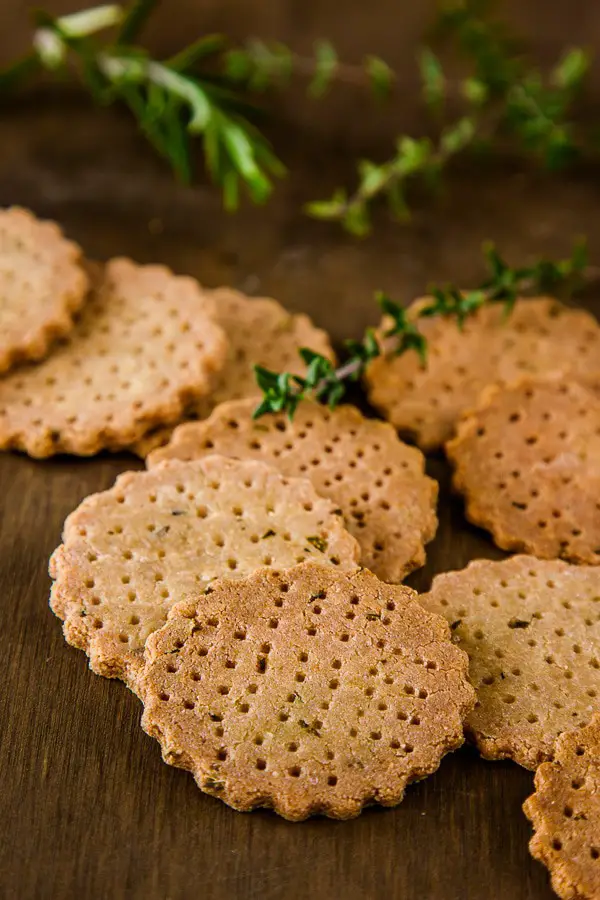
Herb and Garlic Amaranth Crackers
Our first of these recipes with gluten free flours is a simple one. Healthy, protein rich amaranth flour is combined with garlic, rosemary and salt to create a crunchy treat that is delicious with any kind of dip, or tossed crumbled into soups.
Get the recipe here.
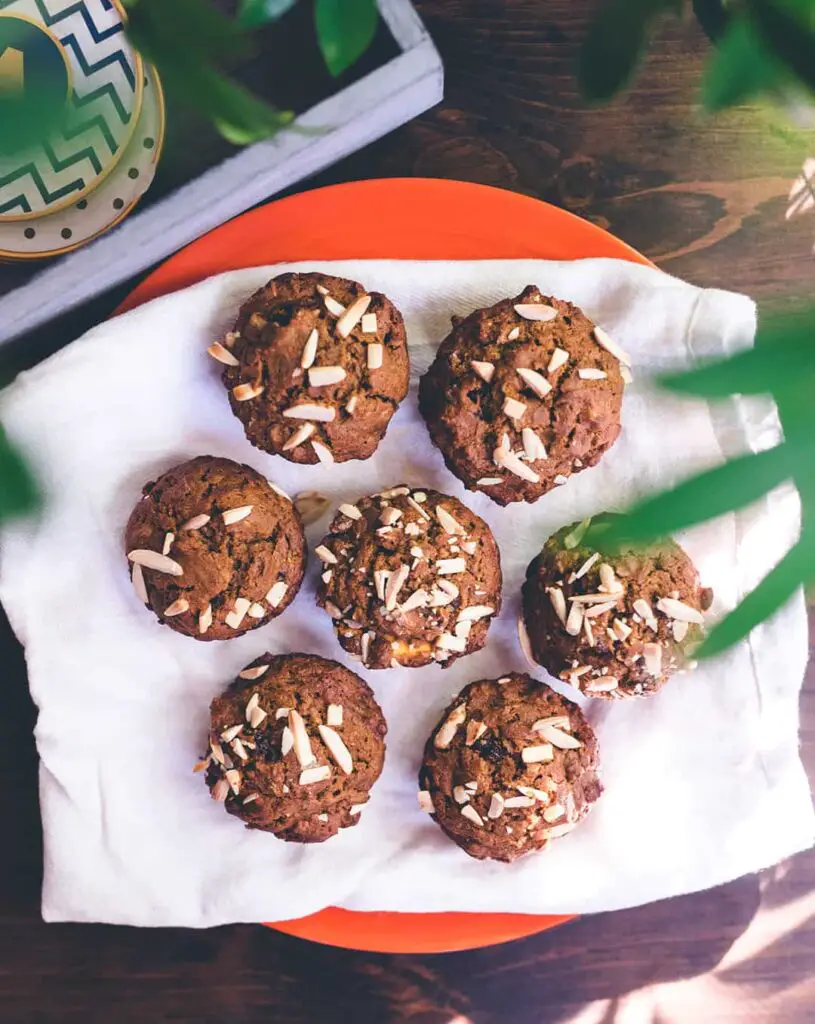
Amaranth Pumpkin Muffins
Sometimes a plain and simple recipe turns out to be one that’s the most delicious, as is the case with these tender pumpkin muffins. I l just love the spicy tones that make this so warming – it’s the perfect partner for a hot cuppa!
Get the recipe here.
2. Brown Rice Flour
Brown rice flour is probably one of the most popular gluten free subs around. The flour is milled from unpolished brown rice which is why it has a much higher nutritional value than white. It also has a wonderfully delicate nutty taste, which can be emphasised by the ingredients used with it.
You can find brown rice flour here.
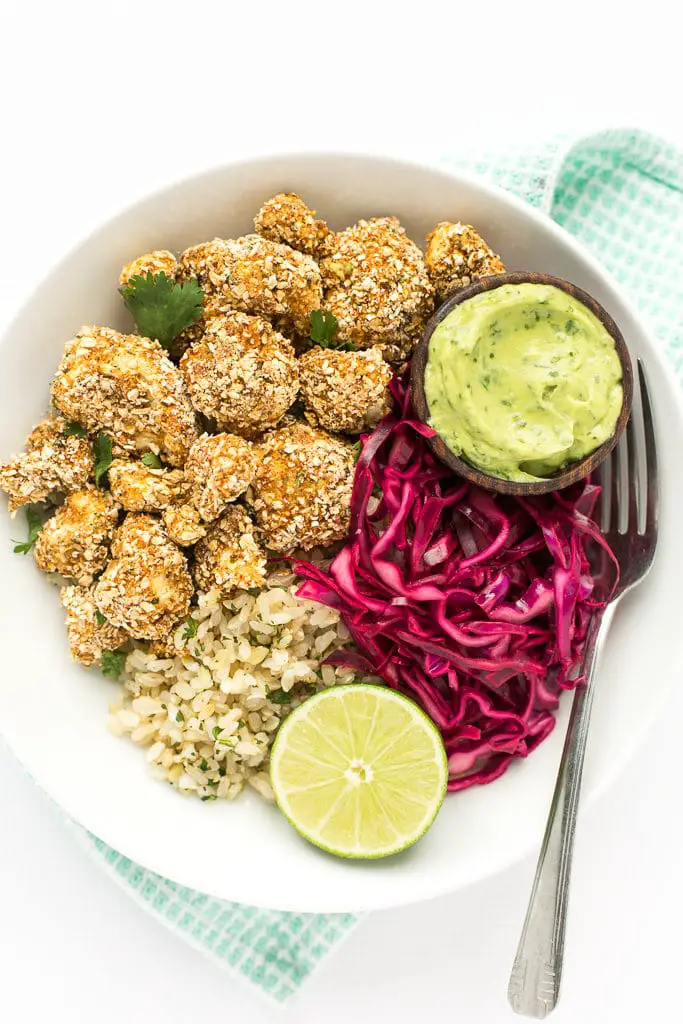
Crispy Cauliflower Power Bowl
This dish reminds me of a deconstructed taco. But instead of the traditional corn tortillas, the crispy, rice-flour coated cauliflower bites come with some refreshing cilantro and lime rice with a garlic and avocado cream dressing. Yum!
Get the recipe here.
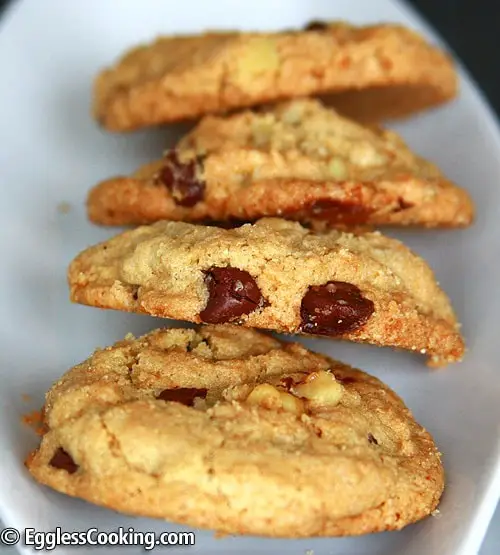
Chocolate Chip Cookies
This is one of those recipes with gluten free flours that does call for oats. And whilst oats are naturally gluten free, it’s the cross contamination that makes them contained traces of gluten. So definitely look for gluten free oats if you do have an intolerance. Otherwise, it’s super simple.
Get the recipe here.
3. Buckwheat Flour
Many people think buckwheat is a form of wheat. Unsurprising, given its name. But this little gem of a gluten free flour is actually related to the rhubarb family. Seriously, who knew?! The small seeds are ground down to make a super healthy gluten free flour. If you’ve ever cooked with buckwheat, you’ll know it has a nutty taste, so it’s perfect for making pastas and crackers.
Rosemary Buckwheat Chia Crackers
Rosemary provides the tang, and buckwheat and chia bring the nutrition in these crunchy yummies. You could load these with so many variations. ThinkL caramelised onion hummus, some pesto and tomato, or even some nut butter and jam.
Get the recipe here.

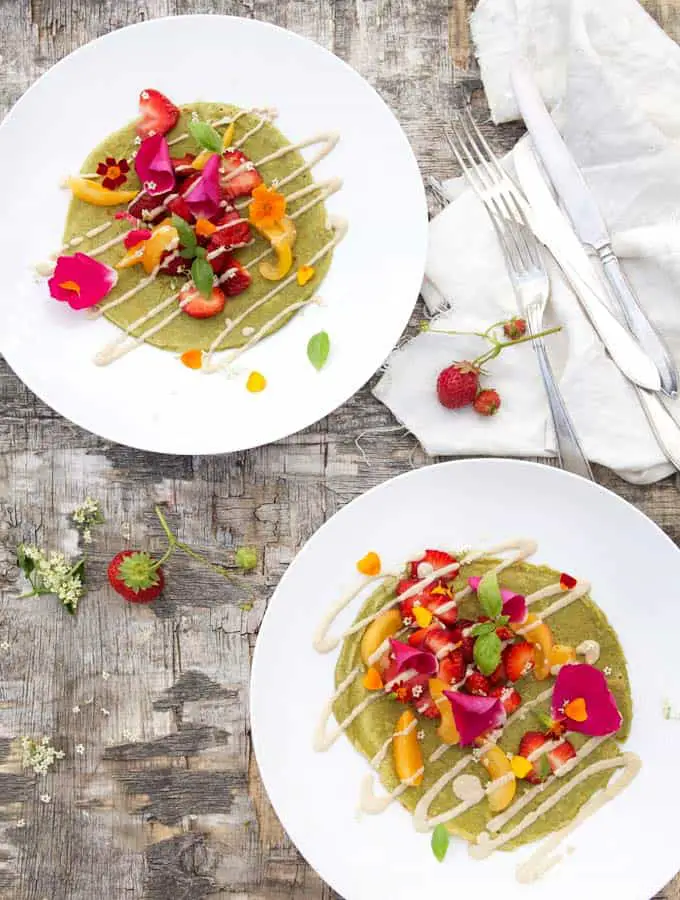
Miraculous Summer Crepes
If you’re slightly thrown off by the green colour of these crepes – don’t be. It’s just because of the spinach, which you won’t even taste it at all. But you will get some extra nutrition!
Serve these crepes as a sweet or savoury treat. This recipe has a vanilla infused hemp heart sauce drizzled over fresh fruit. But if you do fancy something a little more filling for a lunch or dinner, you could also fill these with grilled mushrooms, greens, and even some crushed avocado.
Get the recipe here.
4. Chia Flour
I adore chia seeds, and I only recently found out you could use them in recipes with gluten free flours. And as chia seeds are highly healthy, containing Omega oils and proteins, this is one gluten free flour you will want to find ways to include into all of your cooking.
You can find it here, Or, just blend chia seeds in a food processor until they’re superfine and make your own flour!
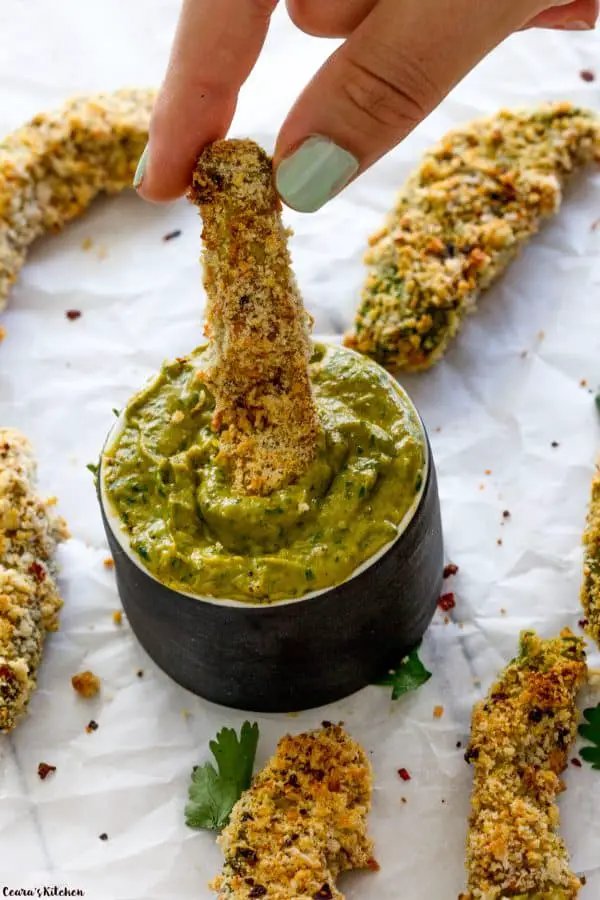
Avocado Fries
If you’ve never even considered having baked avocado, prepare to have your taste buds rewarded. Avocado is great straight from the fridge, but it’s even better when you bake it. Toss slices of raw avocado in a breadcrumb mixture and then bake until golden brown and delicious, and there’s a smoky and tangy avocado dip if you want to take your avocado fries to the next level. You could even throw them into a wrap if you wanted!
Get the recipe here.
Low Carb Gluten Free Bread
This chia and almond flour bread recipe has a texture just like whole-wheat bread. You can form it as an easy-to-slice loaf or as rolls. It’s perfect everyday low carb bread, and is delicious with sweet and savoury toppings.
Get the recipe here.

5. Chickpea Flour
This gluten free flour is also known as garbanzo bean flour or gram flour, but it’s all just ground up chickpeas, really. It packs a real hit of vegan protein. Italians make a delicious crepey/pizza-like dish called ‘faena’ with it, but you can use it in loads of other dishes, too.
It’s easy to find, too – check here, for example.
Sweet Potato Falafels
Falafels are a favourite food around the world, and with good reason! They’re just so easy to throw into wraps, a salad or to just eat on their own. And their texture of similar to that of a meatball, which makes them a good substitute for people who like that texture in their food. These sweet potato falafels are super yum, as they’re drizzled with a delicious tahini sauce. Perfect for any meal!
Get the recipe here.

Snickerdoodle Pancakes
I was really excited to try these! If you’ve never had the pleasure of trying a snickerdoodle, they’re sweet cookies that are rolled in cinnamon sugar. And these pancakes are just like that, but in pancake form. Top these with some maple syrup to take them to the next level. One of the best recipes with gluten free flours in the list, for sure!
Get the recipe here.

6. Coconut Flour
This flour is made from ground and dried coconut meat, so it’s not what we typically think of a flour since it contains zero grains – just pure coconut goodness! How cool is that? Just keep in mind that the flavour is pretty strong. So you will indeed note a bit of nuttiness if you cook with this flour.
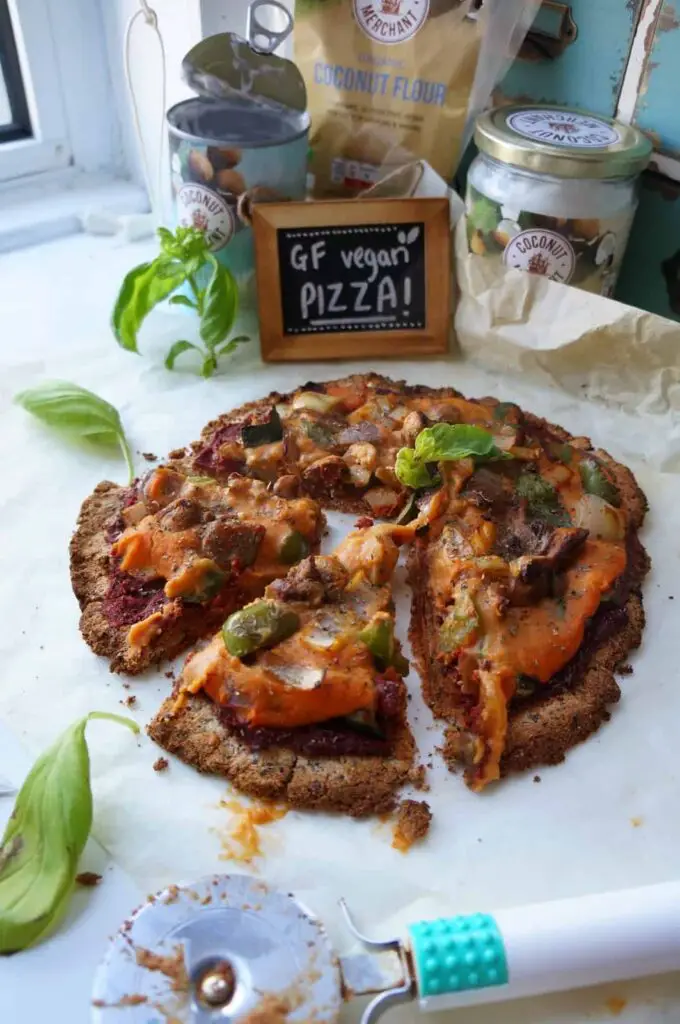
Coconut Flour Crust Vegan Pizza
This is one of the tastiest recipes with gluten free flours! It’s concocted from coconut milk and sweet potato with a little onion and garlic, sea salt and tomato puree.
The great thing about pizza is that once you’ve got your base, you can top it with anything you fancy. I love lots of veggies like caramelised onions, peppers and a handful of rocket for some green goodness.
Get the recipe here.
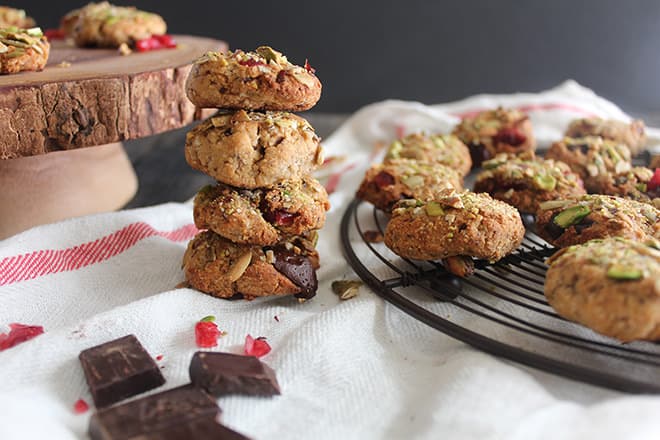
Pistachio Chocolate Chip & Cranberry Cookies
Like most people, I could never tire of eating cookies. Cookies are just life. But these are different: they’re packed full of plant based protein, healthy fats and a dose of omega-3 from both the chia and flax seeds. A high quality dark chocolate will be bursting with antioxidants, too.
Get the recipe here.
7. Cornmeal
There are tons of recipes with gluten free flours you can make, and many of them involve cornmeal. This is just a flour that has been ground from, surprise surprise, corn. It can be ground down into three different textures: fine, medium and coarse (also known as polenta).
You’ll find cornmeal traditionally used in recipes such as cornbread, but it can also be used for its texture and sweetness in baking things like cookies and sweet breads. It can also be used to thicken up souls and even chilli if a thicker consistency is required. It’s cheap and easy to use!
Zucchini Corn Cakes
These zucchini corn cakes remind me or corn fritters, just with a firmer texture. The recipes for these makes bite sized corn cakes, but you could make burger sized versions and use them in vegan burgers. They’re crisp on the outside and creamy on the inside, and topped with sour cream…these will be the bomb dot com!
Get the recipe here.

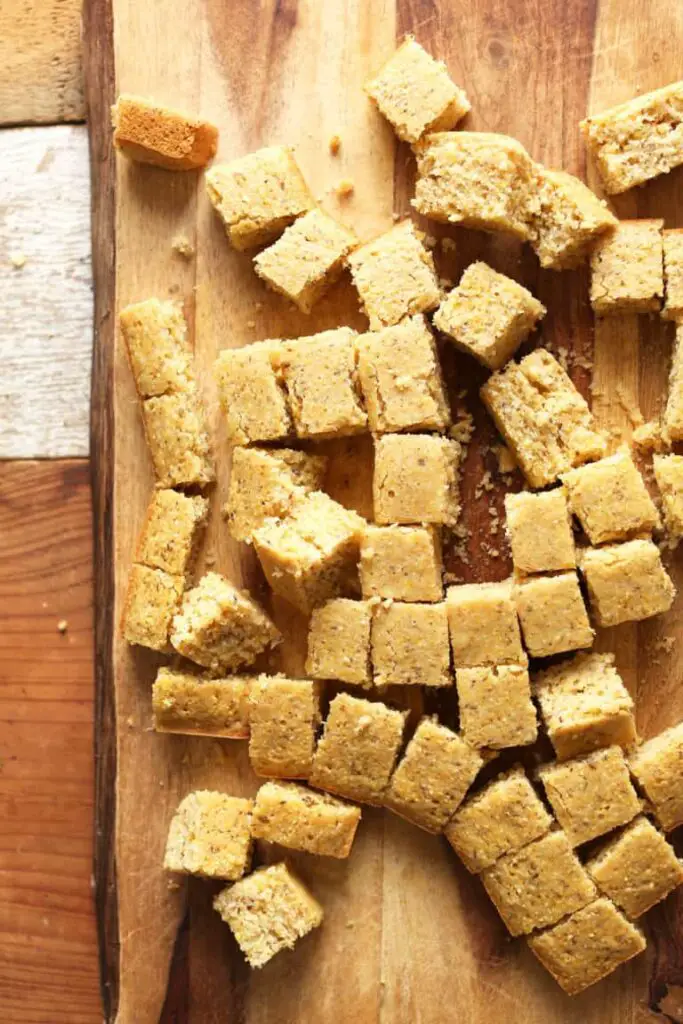
Cornbread
How could I not include a recipe for a vegan friendly cornbread when talking about cornmeal? Although this is called ‘bread’ it’s really more of a cake, which means it would taste delicious with some melted butter drizzled on top. Why not try dunking it in some homemade Nutella (yeah, I go there!).
Get the recipe here.
8. Millet Flour
Millet comes from the grass family, and is actually used as a cereal in many countries around Asia and Africa. It’s not always the best substitute in replace of gluten flours when baking, as it’s quite dense, and may often be used in addition to another flour, too, such as rice.
But it is a great addition to soups to thicken them up, and it also makes great flatbread. You can buy some here.
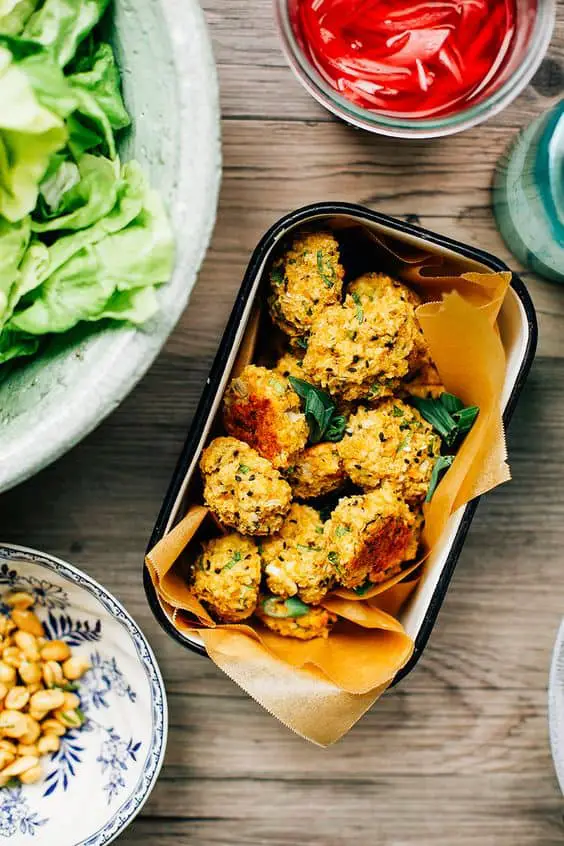
Spring Onion Falafels
Falafel has migrated from being a Middle Eastern staple to an international fast food superstar. These falafels are a twist on the traditional chickpea based dish, as they have cooked millet, lemon and scallions. Millet tastes a little corn-like, which works really well in this recipe.
Get the recipe here.

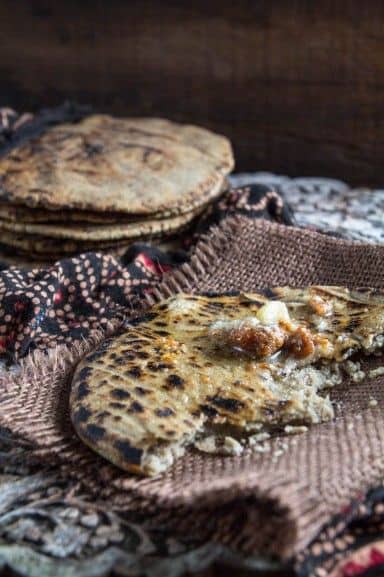
Indian Flatbread
This delicious traditional flatbread is also known as bajra roti, and is a favourite in many Indian households. It’s usually baked over an open fire or in a fire-oven, but it’s still tasty when popped into your gas or electrical unit, too. Just ensure that oven is HOT!
Get the recipe here.
9. Oat Flour
I remember I used to spend a fortune on gluten free oats. Well, until someone informed me that oats themselves are naturally gluten free! It’s simply the cross-contamination process that can make them sensitive to anyone with a gluten intolerance.
As I don’t struggle with gluten, when it comes to oats I simply make sure they’re organic more so than paying extortionate amounts for them to be gluten free. But making your recipes with 100% gluten free flours is worth it if you have a serious intolerance.
You can buy GF oat flour, or just grind down your normal oats and go!
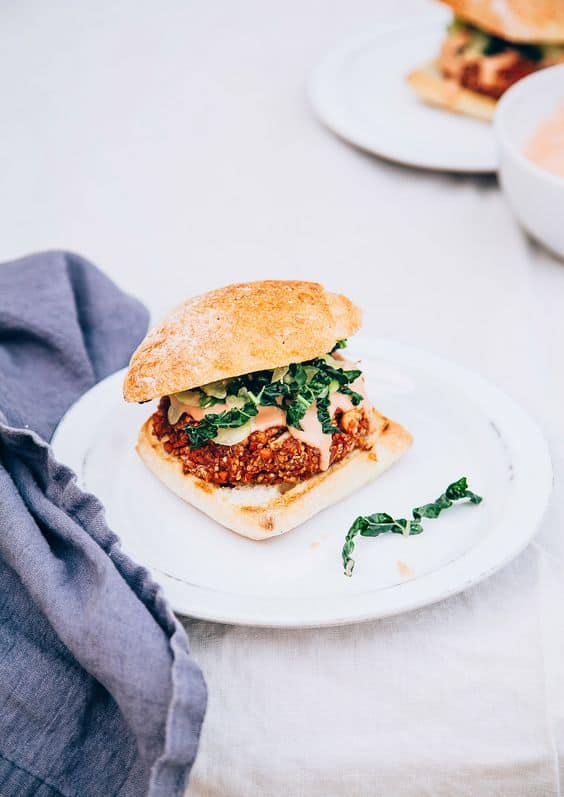
Bloody Mary Veggie Burgers
Whilst these are named after the cocktail, there’s no alcohol in these because that would be kind of gross in a burger, right? But it does contain all the flavour of the drink, thanks to the tangy spiciness of horseradish, fresh lemon and a dose of celery slaw.
Get the recipe here.
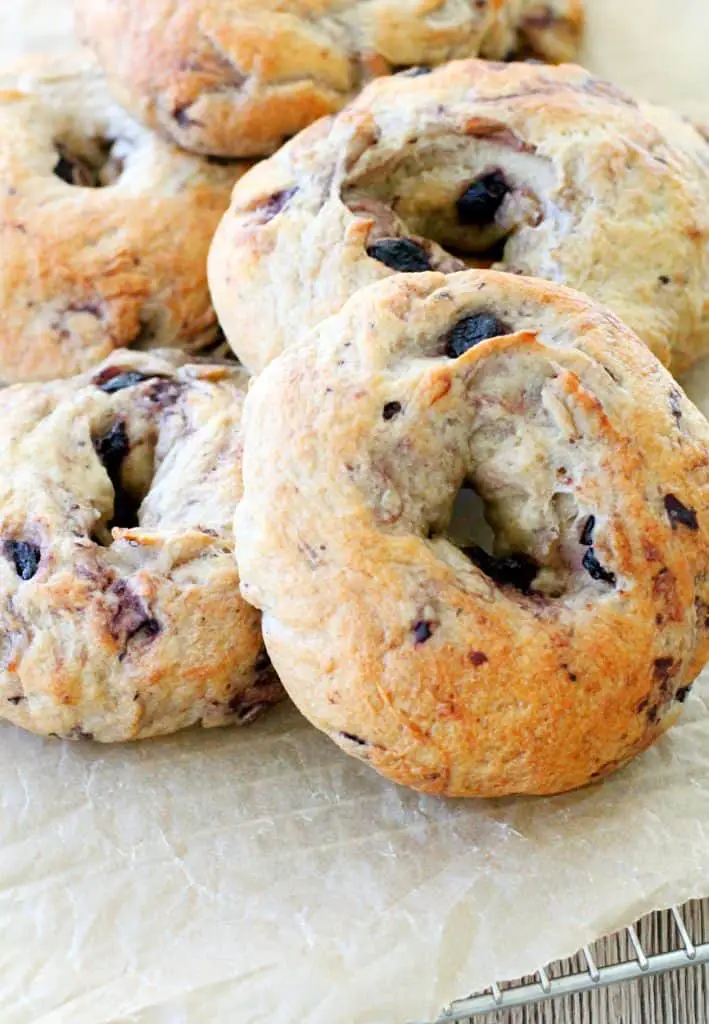
Blueberry Oat Bagels
I love bagels, this is true – but I’d never even heard of a blueberry bagel before. Sure, cinnamon and raisin – but blueberry? I couldn’t wait to try this! It was well worth it – crunchy, filling and not too sweet at all.
Get the recipe here.
10. Quinoa Flour
Quinoa has been used for over 5,000 years as a cereal in many countries, and it’s gaining massive attention within the plant-based population, as it’s a great source of vegetable protein. It’s probably one of the healthiest flours around! Though not the cheapest, mind you.
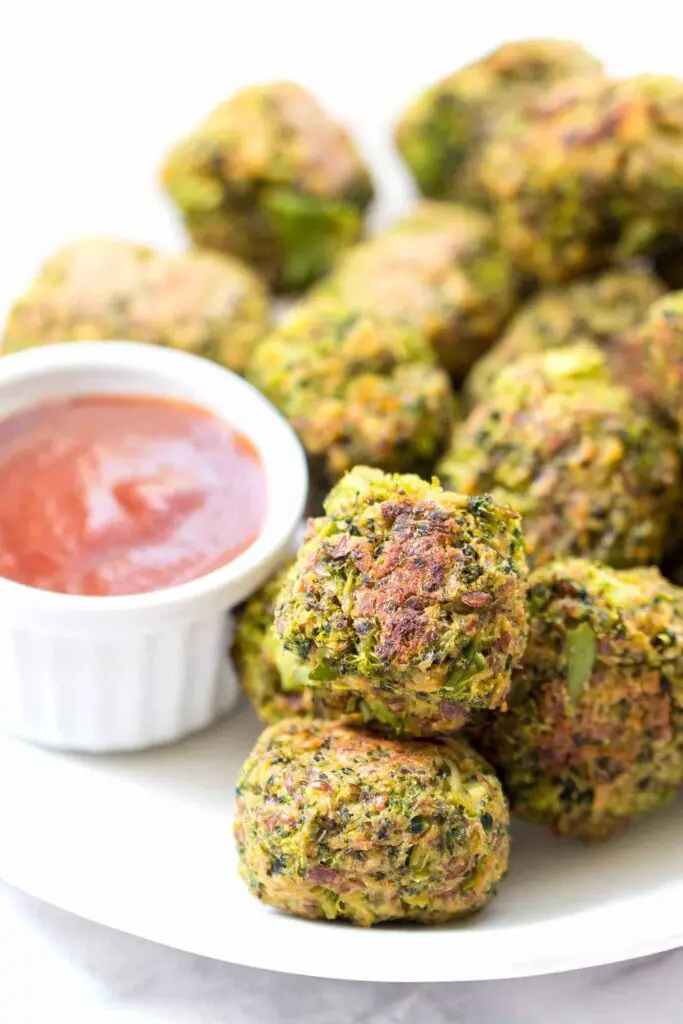
Quinoa Broccoli Tots
Tater tots get a healthy makeover in this recipe and I think they look pretty good. Swapping the potato for the broccoli makes them healthier – not that I’m saying potatoes are bad for us – and a great way to get those greens onto the plates of little ones. And these still have the cheesy edge from the nutritional yeast. Since they’re baked, not fried, there’s absolutely no reason to feel guilty when you go back for seconds. And thirds.
Get the recipe here.
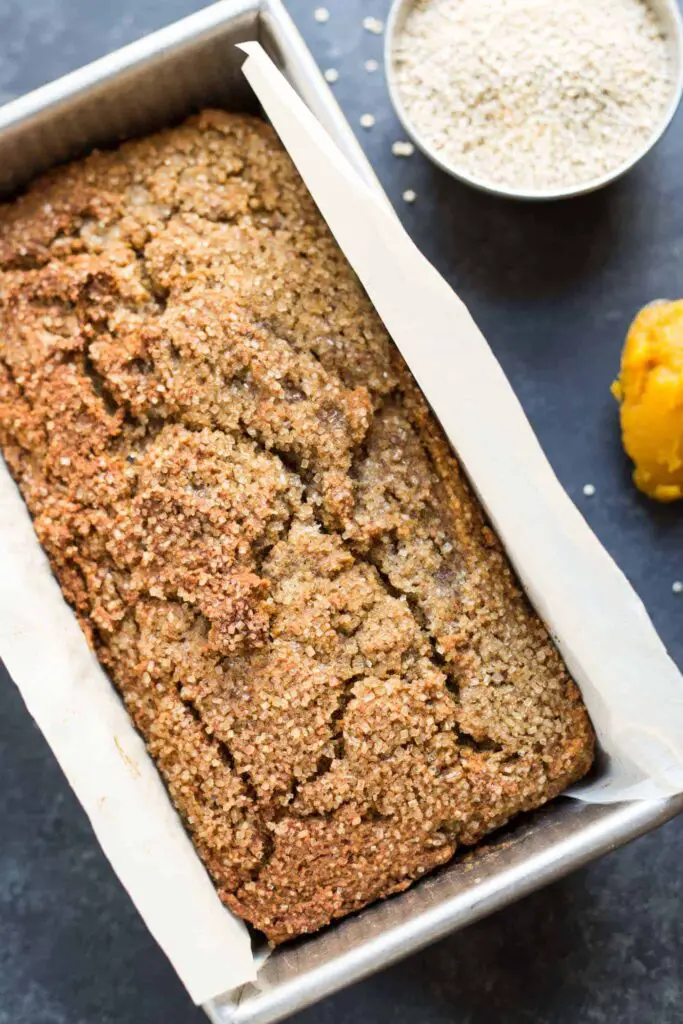
Quinoa Flour Pumpkin Bread
If you’ve been looking for a healthier pumpkin bread alternative, look no further. It’s the perfect way to kick off pumpkin season – or any season, for that matter! Feeling a bit decadent? Adding some vegan chocolate chips to this takes it to a whole new level.
Get the recipe here.
11. Almond Flour
Yep, we can use nuts to make gluten free flour too! Milled from whole almonds, almond flour is full of protein, fiber, and good fats. Add it to everything from scones to cakes to cookies to tart crusts for a rich, buttery flavour. And don’t stop there! Almond flour is a perfect certified gluten-free substitute for bread crumbs in savory dishes. You can easily make some: when you make almond milk, save the remains of the almonds after you drain the milk.
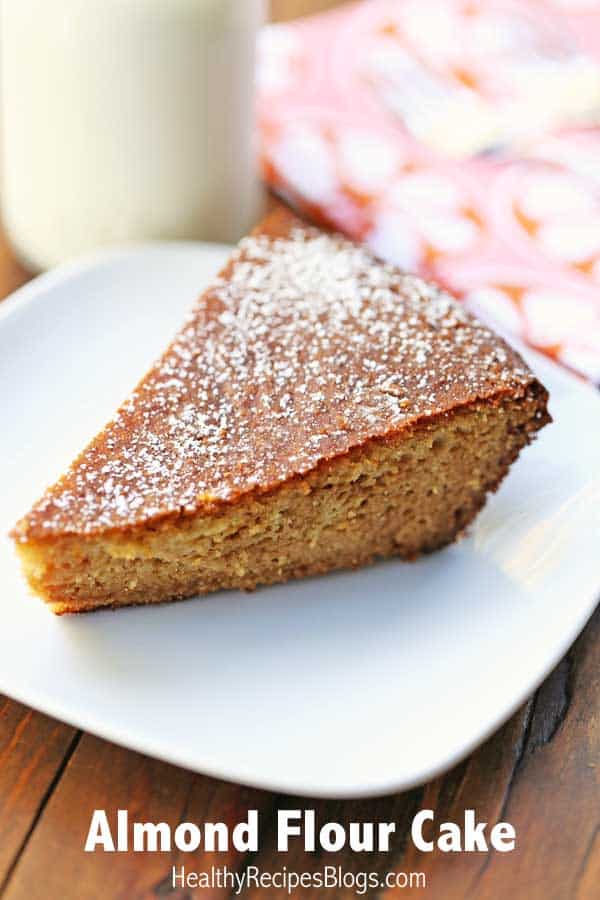
Easy Almond Cake
Sometimes, the simplest things in life are the best, as this sweet, simple concoction proves. It’s also surprisingly healthy: one slice has 26% of your daily vitamin E needs, 18% of magnesium, and 15% of your copper. To make it vegan, use agave syrup instead of honey, and flaxseed or chia eggs instead of regular.
Get the recipe here.
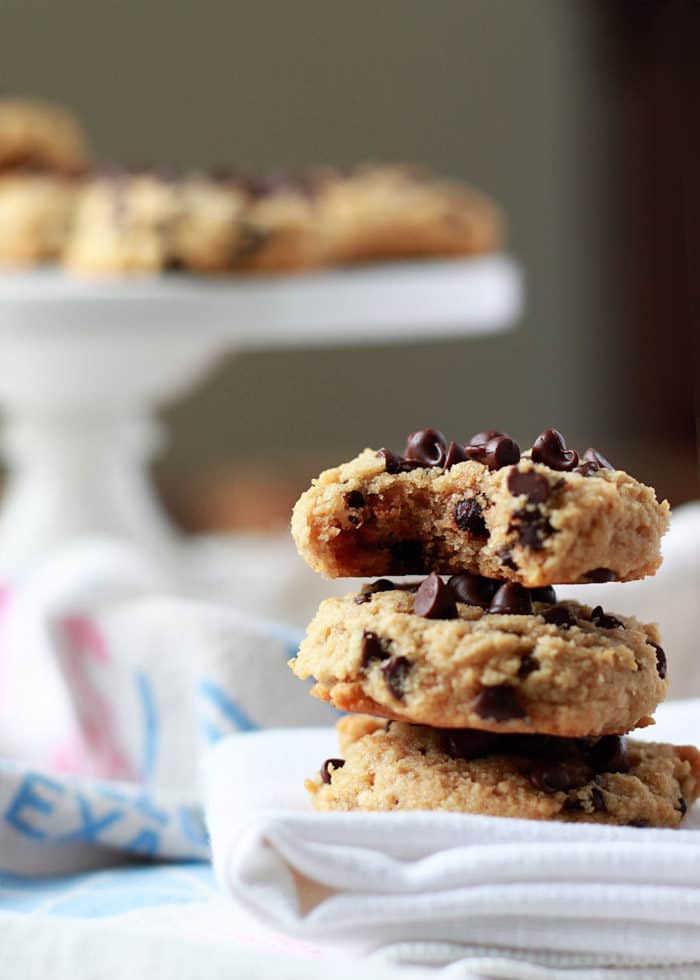
Almond Flour Chocolate Chip Cookies
These are super simple to make, cook up in around 10-15 minutes, and easily use up any almond meal you may have leftover from making almond milk. You will need to sub in a flaxseed egg to make them vegan, but when you do, expect a hot, chewy soft choco-chip bikkie!
Get the recipe here.
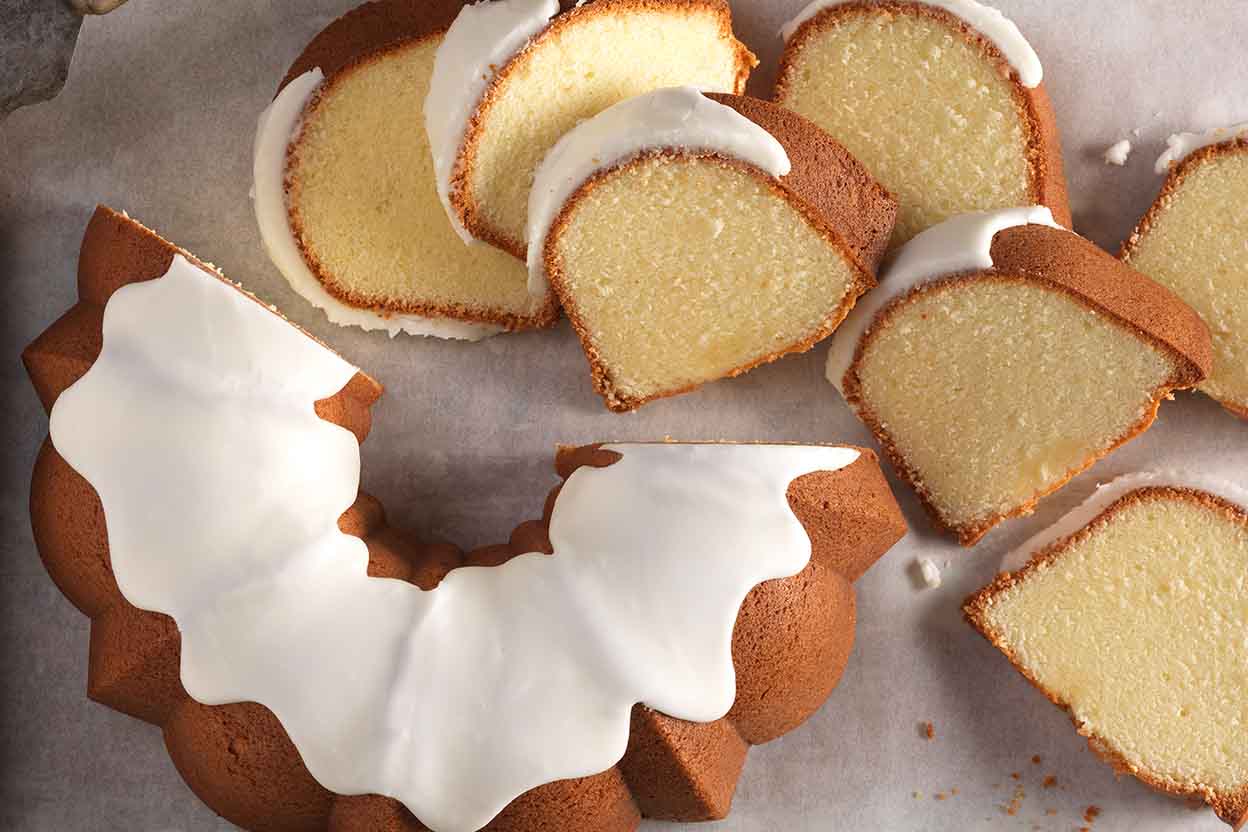
To make the almond cake in our main image, click here.

- Meet The Winners Of The Eluxe Awards 2025 - March 31, 2025
- Our Top Tips & Tricks For Growing Succulents - February 27, 2025
- Eco Friendly Features To Check When Buying A New House - January 22, 2025


