15 Climate Conscious Recipes To Try
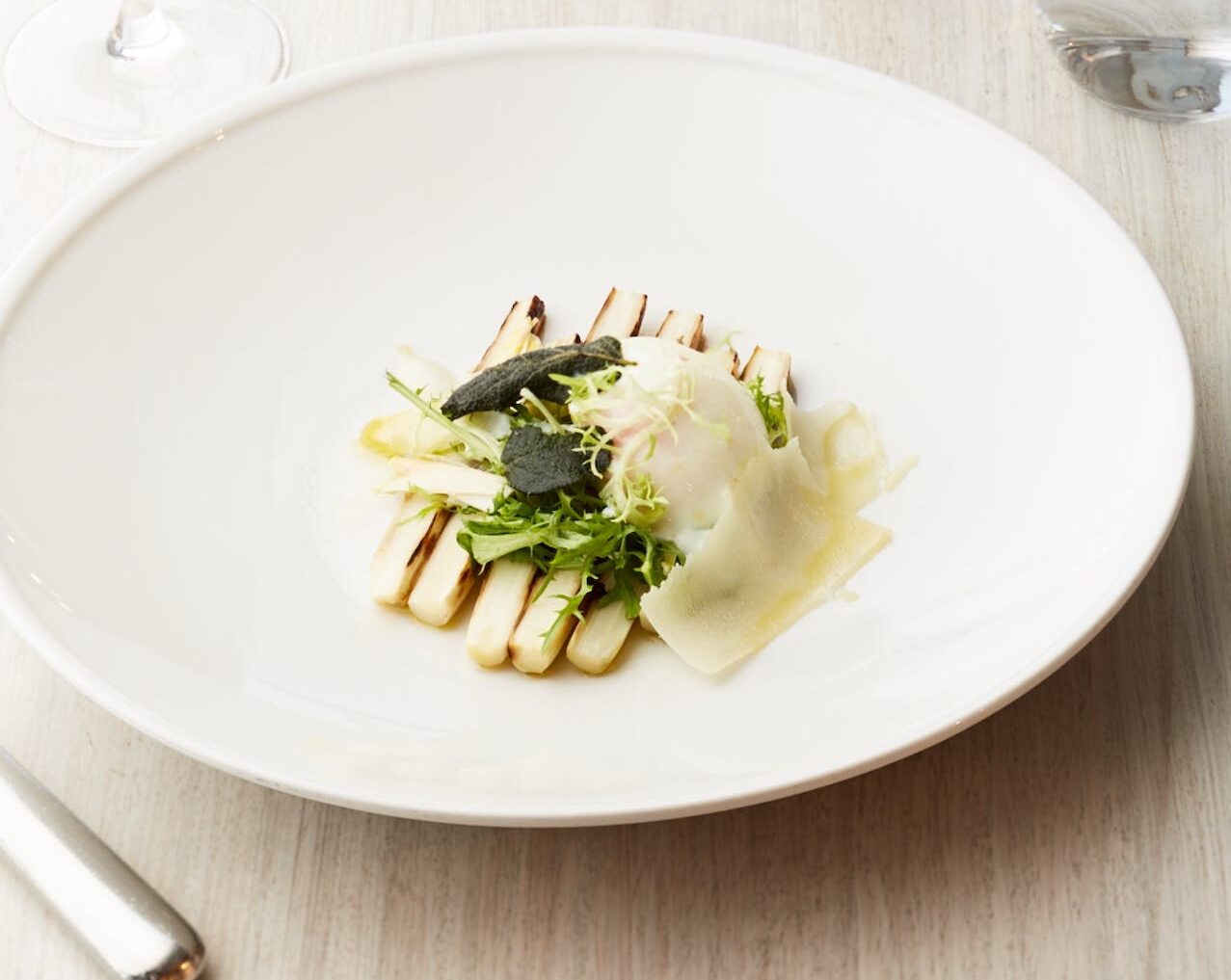
These climate conscious recipes are not only great for the planet, but your health, too!
By Lora O’Brien
How we eat has a direct impact on the environment. For example, food that comes from an animal requires a greater amount of energy and resources to produce. This then raises our carbon footprint and has a harmful effect on our planet. So, can we eat our way to a better planet by being more mindful of what we eat? The happy answer is – yes!
Eating climate conscious recipes is a rising trend, and that’s a good thing. Below we discuss why eating this way is important, what the heck it even is, an how you can make your diet more climate conscious.
What Are Climate-Conscious Foods?
To put it simply, climate conscious foods mean eating foods with sustainability in mind. The way many of us are eating sucks, and it’s taking its toll on the planet. We think before we buy clothing or accessories, so we should apply the same care to the food on our plates, too. It makes no sense to support sustainable lifestyle brands to then go and stock our fridge with tropical fruit flown halfway across the world. It’s about focusing on seasonal produce and being intentional with each bite we take.
To eat in a more climate conscious way, you should intentionally eat locally grown organic, vegan food. These foods also require less water and energy overall to produce.

Why Climate-Conscious Foods Are Important
A vegan diet is around 50% lower in greenhouse gas overall. That’s because vegan food uses fewer natural resources. A vegetarian diet is about 35% lower in emissions than an omnivore diet. Making small changes today such as adding more legumes, veggies and nuts into your diet can help pave the way for a better future tomorrow.
The food we eat has a direct link to the impact on our environment. Unfortunately, most of us eat foods that are not local. Imported food requires loads of energy and resources to produce, transport and prepare.
Shopping locally not only supports local food growers, but it’s also tastier. On the other hand, food flown in from other countries is picked before its ready so that it arrives before it spoils. Sure, it’s great to have some avocado on toast daily. But why not try to eat what the season you’re in provides?
If you want to take climate conscious eating to the next level, you can simply make all your meals from scratch. Processed plant based foods are part of the problem, so choose fresh fruit, vegetables and whole foods.
Common Foods That Are Not Climate Conscious
This depends on where you live, of course. But if you’re in the northern hemisphere, the following common foods are imported. Either by ship, or by plane. And therefore, they’re not good for the planet:
- Bananas
- Chocolate
- Almonds (even if they’re local, they take tons of water to grow)
- Avocados (see above)
- Tropical fruits
- Coffee
Tips To Make Your Menu More Eco Friendly
Want to make your meals more sustainable but not quite sure know how? These are a few simple tips for making your food more eco friendly:
- Buy local and seasonal produce: This small step massively helps to reduce the energy required to transport food from farms worldwide to supermarkets.
- Choose organic foods: Organic farming practices are better for the environment and often result in tastier food. If you’re not able to find organic, try to follow the clean fifteen and the dirty dozen.
- Reduce food waste: We’re all guilty of waste. Try to use up all food, freeze leftovers and compost scraps to give back to Mother Nature via composting.
- Eat less meat and dairy: If you still eat meat, try doing meatless Mondays to reduce your intake.
- Increase plant-based food options: Add more fruits, vegetables, whole grains and legumes to your plate.
15 Climate Conscious Recipes
1. Vegan Apple Pie Overnight Oats
Oatmeal is such a quick yet nourishing meal to make. Just make sure you get organic oats free from toxic glyphosate. (Fact: almost all non organic oats are covered in this toxin!) Mix with seasonal fruit to make a nourishing bowl. Apple pie overnight oats is my go to in the fall!
Get the recipe here.

2. Vegan Potato Leek Soup
Climate conscious recipes don’t get easier than soup! A delicious way to get goodness inside of you, soup of also cheap to make and you can pretty much swap the ingredients to make it seasonal. As we’re approaching winter, let’s whip up this soup with creamy potato, leeks and simple herbs.
Get the recipe here.

3. Vegan Juice Pulp Meatballs
Love making juices? Don’t toss the leftover pulp, turn it into these yummy veggie balls. Toss them in a homemade tomato sauce and you’ve got a zero waste recipe in next to no time – it doesn’t get more climate conscious than that!
Get the recipe here.

4. No Waste Veggie Broth
Saving and story veggie scraps in the freezer is a great way to make a wholesome and cheap stock. Simply store them until you have enough and then turn those scraps into liquid goodness! Use the stock as a base for soup, to cook rice in for added nutrients or turn it into gravy. This is one of those climate conscious recipes that’s easy to freeze, too. Which is great – you can use this broth for so many recipes!
Get the recipe here.

5. Pumpkin Chili
After Halloween, it makes sense to use your pumpkins to make some wholesome food. You could even make pumpkin puree and store it for months so you always have it on hand. This veggie pumpkin chili is loaded with flavour, texture and subtle spices.
Get the recipe here.

6. Wild Rice Buddha Bowl With Lemon Herb Sauce
Clean out your fridge to make one of the heartiest climate conscious recipes! It features roasting up some leftover veggies, which you can use anything you have in your veggie drawer. Serve alongside some locally grown wild rice and a homemade spicy lemon herb dressing and you’re good to go!
Get the recipe here.

7. Vegan Stuffed Butternut
When butternut squash is in season, I stock up. They make the perfect dish, especially when you scoop them out and stuff ’em! This dish has beans, sweetcorn and rice but you can switch up depending on what’s seasonal. Some mushrooms would be ideal! And even better if you forage for them yourself.
Get the recipe here.

8. Pea & Asparagus Salad
Climate conscious recipes depend on seasons, and this one is clearly for summer. The asparagus and pea salad is refreshing, with a bounty of summery veggies such as asparagus, snow peas, peas and cos lettuce! Finished with a sprinkle of goat cheese and a tangy lemon dressing, it’s elegant, pretty and tasty!
Get the recipe here.

9. Stuffed Peppers
If you’re looking for a delicious, protein packed way to enjoy stuffed bell peppers, this is the dish for you! The peppers are loaded with an abundance of veggies. To make this even more climate friendly, I’d swap the quinoa for rice. You can also use whichever veggies are in season. Think: spinach and tomatoes for summer; sweet corn and sweet potatoes for fall and winter.
Get the recipe here.


10. Candied Sweet Potatoes
This is one of those climate conscious recipes that’s easy enough for kids to make! These candied sweet potatoes are roasted and then tossed in a delicious maple butter glaze. They make a moreish side dish that’s perfect for any festive celebration!
Get the recipe here.

11. Bubble & Squeak
This is one of the cheapest climate conscious recipes to make! Bubble and squeak is a British classic. It basically takes up leftover veggies which you fry up the next day to make a delicious dish!
Get the recipe here.

12. Cauliflower Wings
Forget about takeaway wings. This is one of those climate conscious recipes that’s better than what you’d get in a restaurant! With just a few seasonings, you can turn the humble cauliflower into this epic, climate conscious recipe.
Get the recipe here.

13. Pear Crumble
This easy pear crumble infuses a sweet pear filling with a warmly spiced ‘buttery’ oat streusel topping. It’s the perfect fall dessert, and is super easy and low effort to make. Oh, and no pears near you? Sub in any seasonal fruit you have on hand – plums, berries, apples…you get the idea!
Get the recipe here.

14. Apple Pie
When it comes to climate conscious recipes, this one is easy to switch up. Just change the fruit, depending on the season. And the best part? Pies are a great way to use up fruit that’s about to go off. Zero waste!
Get the recipe here.

15. Vegan Orange Cranberry Cookies
Many vegan cookies include almond flour and chocolate chips – far from sustainable! However, these delightful cookies are perfect for the holiday season ahead. They’re packed with the seasonal flavours of oranges and cranberries, yum!
Get the recipe here.


- Meet The Winners Of The Eluxe Awards 2025 - March 31, 2025
- Our Top Tips & Tricks For Growing Succulents - February 27, 2025
- Eco Friendly Features To Check When Buying A New House - January 22, 2025