
Our Top Tips For Shopping Thrifted Furniture
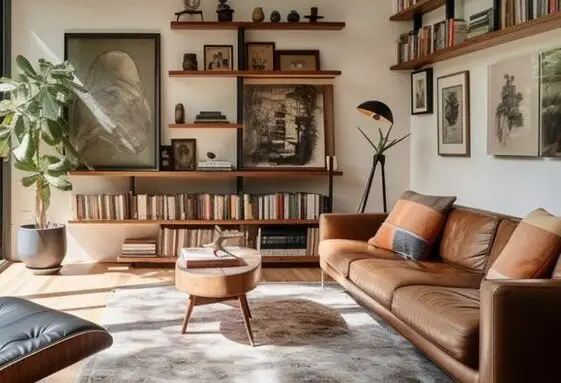
Why buy new when pre-loved is cheaper – and just as nice? Here are our best tips for shopping thrifted furniture
By Diane Small
It’s long been a trend in clothing. I mean, there’s nothing I love more than heading to my local Salvation Army and looking for wearable treasures. I’ve found Miu Miu bags, Ralph Lauren sweaters and a gorgeous Filo jacket for what you’d normally pay in taxes on such items.
But did you know these same shops often offer secondhand furniture, too?
Admittedly, the selection is far less than what you’d find online, obviously. Or even in a department store. But if you follow our tips of shopping for thrifted furniture, you’re bound to bag a bargain!
Image below: COVET HOUSE
How To Shop For Thrifted Furniture

1. Know Where to Look for Used Furniture
As mentioned above, thrift stores like the Salvation Army, Oxfam or Goodwill are great places to start looking for used furniture. Ask the staff to call you if they ever get exactly what you’re looking for – say, a wood desk, or cream sofa.
But garage sales are a great place to find thrifted furniture. And I mean everything from tables to carpets, sofas to night stands! You can see where your local ones are being held on Facebook, or on supermarket bulletin boards. Just be sure to visit early if you want the best items. And always bring cash—the smaller the bills, the better!
One step up from garage sales are estate sales. You’re more likely to find furnishings that are antique, in excellent condition, or even close to new. You aren’t likely to find news of these posted on social media, but you can learn a lot from sites like estatesales.net and garagesalefinder.com, for example.
Other places to look for used furniture sales include:
- OfferUp
- Craigslist
- Gumtree (UK)
- Goodwill Online
- eBay
- FreeCycle (for free items!)
2. Ask the Right Questions Before You Buy
Found something you love online? Don’t immediately reach for your wallet.
When buying used furniture online, ask the seller a few questions first. This can save you a lot of time, money and disappointment.
Ask:
- Does the piece come from a smoke-free and pet-free home?
- Are there stains, scratches, odors or other signs of damage?
- Has the furniture ever had bedbugs or other pest problems?
- What are the exact dimensions?
- Are there any structural problems that aren’t visible in the photos?
- Can you send additional photos, including close-ups of any damaged areas?
- How old is the piece?
- Do you know the manufacturer or designer?
Measurements are particularly important. That gorgeous vintage sofa isn’t such a bargain if you discover it won’t fit through your front door.
And if you’re buying an expensive vintage or designer piece, ask for documentation or proof of authenticity whenever possible.
3. Look Beyond the Colour and Finish
One of the best things about buying thrifted furniture is that you don’t have to find the perfect piece exactly as it is.
Looking for a white dresser but only finding wooden ones? Want blonde wood but everything you’re finding is walnut-coloured? Got your heart set on short linen curtains but can only find long drapes?
Get creative!
Wooden furniture can often be painted, stained or refinished. A dated piece can sometimes look completely different with new hardware. Sofas and chairs can be professionally reupholstered in a fabric you actually love. Curtains can sometimes be shortened.
In other words, don’t reject a great piece simply because you don’t love the finish.
If you’re not particularly handy, consider paying someone who is. A good furniture restorer, upholsterer or refinisher can transform an inexpensive secondhand find into a great piece of furniture that feels completely bespoke.

4. Set Up Notifications for Your Favourite Finds
The internet is a powerful tool for furniture thrifting—as if we needed another reason to be on our phones!
The trick is to choose two or three platforms rather than trying to monitor everything. Then set up search alerts and notifications for the items you’re looking for.
Many resale platforms let you specify a location radius, price range, brand or search term.
For example, I was recently on the hunt for matching lounge chairs. I bookmarked several searches using OfferUp’s notification feature, including:
- “mid-century lounge chairs”
- “leather side chairs”
- “matching chairs”
- “vintage accent chairs”
I set my search radius at 40 miles—the farthest I was willing to drive for the right chairs.
OfferUp then notified me whenever a new listing matching my searches appeared.
A win-win!
This is particularly useful for vintage and mid-century modern furniture, because desirable pieces can disappear quickly. Instead of checking listings constantly, let the platforms do some of the searching for you.

5. Learn the Language of Thrifted Furniture
There’s a whole culture around buying and selling secondhand furniture. And, as a result, there’s a whole language that goes with it.
Learning the terminology can help you understand listings—and negotiate more confidently.
Here are a few abbreviations you’ll commonly see on resale sites such as eBay:
Firm / Price Firm: The seller isn’t willing to negotiate.
EUC: Excellent Used Condition. This generally means the item has very little visible wear.
OBO: Or Best Offer. The seller is inviting buyers to negotiate.
MCM: Mid-Century Modern. A popular furniture style generally associated with the mid-20th century.
You’ll also come across terms such as vintage, antique, retro, restored, refurbished and original condition. These words aren’t necessarily interchangeable, so read the description carefully.
And if a seller claims that a piece is a rare designer or collectible item, do your research before paying a premium. Compare photographs, markings, construction and provenance with reputable sources.
6. Be Careful When Buying Used Furniture
I don’t want to sound paranoid, but a little caution goes a long way when you’re learning how to shop for thrifted furniture.
If you’re meeting an individual seller to collect a piece, consider bringing a friend with you—particularly if you’re going to someone’s home.

Whenever possible:
- Meet in a public place for smaller items.
- Tell someone where you’re going when collecting furniture.
- Avoid carrying large amounts of cash.
- Don’t share unnecessary personal or banking information.
- Inspect the furniture before handing over payment.
- Be wary of sellers who pressure you to pay before seeing the item.
- Use a reputable platform’s payment system when appropriate.
If you’re buying through an established marketplace, check its buyer-protection policies before paying.
And remember: you don’t have to buy it.
If you arrive and the furniture isn’t what you expected, has undisclosed damage or simply doesn’t feel right, it’s perfectly fine to say, “No thanks.”
A bargain isn’t a bargain if you don’t actually want it.
Image credit: Sera of London

7. Clean Thrifted Furniture Before Bringing It Into Your Home
Once you’ve found your treasure, there’s one more important step: clean it before putting it into your home. That’s because even if you know well how to shop for thrifted furniture, bugs and other nasties can still enter your home!
Give hard surfaces a thorough clean using an appropriate furniture cleaner. Depending on the material, you may be able to use steam, but always check that the fabric or finish can tolerate moisture and heat first.
Pay particular attention to:
- Upholstered furniture
- Rugs
- Mattresses
- Cushions
- Curtains and other textiles
- Furniture with cracks, seams or hidden areas
Textiles may benefit from professional cleaning, especially if you’re unsure of their history.
And don’t forget to inspect secondhand upholstered furniture carefully for signs of insects or pests before bringing it indoors.
You can always take rugs and other textiles to a dry cleaner. But for bigger items, here are tips on how to clean upholstery, and some recipes for homemade nontoxic furniture cleaners.
If you’re unsure how to clean a particular material, look up the manufacturer’s care instructions or consult a professional rather than risking damage.
Why Buy New When You Can Buy Thrifted?
Knowing how to shop for thrifted and secondhand furniture takes a little more patience than ordering something online and having it delivered tomorrow.
But that’s also what makes it fun.
You can find solid wood furniture, vintage pieces, unusual designs and high-quality materials that would cost considerably more when purchased new. And when you refinish or reupholster something, you can create a piece that’s uniquely yours.
So next time you’re furnishing a room, don’t automatically head to the furniture store.
Check the thrift stores. Browse the resale sites. Visit an estate sale.
You might just find your next favourite piece—and pay a whole lot less for it.
Do you have any tips for shopping for thrifted furniture and decor? Let us know in the comments below!

- Our Top Tips For Shopping Thrifted Furniture - September 14, 2026
- How to Create a Brighter, More Energy-Efficient Connection Between Home and Garden - August 28, 2026
- How to Deal With Bad Neighbours: 12 Practical Solutions - August 4, 2026


